Mountain pine beetles typically attack mature pine trees, which are more likely to have thick bark that provides a good environment for the beetles to lay their eggs. The beetles bore into the bark and lay their eggs, and the larvae that hatch from the eggs feed on the phloem, the layer of tissue that carries nutrients from the tree's roots to its needles. This feeding can disrupt the tree's ability to transport water and nutrients, causing the tree to die.
In addition to climate change, several other factors have contributed to the spread of mountain pine beetles. These include:
* Increased availability of suitable habitat: As a result of logging, fire suppression, and other factors, there are now more mature pine trees available for the beetles to attack.
* Increased beetle populations: The beetles have been able to reproduce more successfully in recent years due to the warmer climate and the availability of suitable habitat.
* Reduced natural predators: Some natural predators of the mountain pine beetle, such as birds and parasitoids (insects that lay their eggs in or on the bodies of other insects), have been declining in numbers.
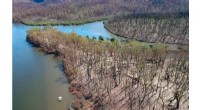
The spread of mountain pine beetles has had a devastating impact on forests in the western United States and Canada. In some areas, up to 90% of the pine trees have been killed by the beetles. This has led to widespread ecological and economic damage, including:
* Loss of biodiversity: The loss of pine trees has reduced the habitat available for many plant and animal species, some of which are already endangered.
* Increased risk of wildfire: The dead trees left behind by the beetles are a major fuel source for wildfires, which can spread more easily and cause more damage in forests that have been affected by the beetles.
* Economic losses: The loss of pine trees has had a significant impact on the timber industry, as well as on other businesses that rely on pine trees, such as the tourism industry.
The mountain pine beetle outbreak is a serious problem that is likely to continue to have a significant impact on forests in the western United States and Canada for many years to come. Scientists are working to develop ways to control the beetles and mitigate the damage they are causing, but it is clear that climate change is playing a major role in the outbreak and that action is needed to address this underlying issue.