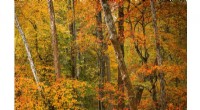
There are two main ways to protect Europe's primary forests:
1. Protect existing forests: The most important thing we can do to protect Europe's primary forests is to simply protect them from further development. This can be done by creating protected areas, such as national parks and nature reserves, and by working with landowners to encourage them to conserve their forests.
2. Restore degraded forests: Another important way to protect Europe's primary forests is to restore degraded forests. This can be done by planting native trees, removing invasive species, and reducing human impacts, such as pollution and hunting.
In addition to these two main strategies, there are a number of other things we can do to help protect Europe's primary forests, such as:
* Educate people about the importance of primary forests.
* Promote sustainable forestry practices.
* Support organizations that are working to protect primary forests.
* Buy products that are made from sustainably-sourced materials.
By taking all of these steps, we can help protect Europe's primary forests and ensure that they continue to provide important habitat for biodiversity for generations to come.
Here are some specific examples of primary forests in Europe that are in need of protection and restoration:
* The Białowieża Forest in Poland and Belarus is one of the largest and most well-preserved lowland forests in Europe. It is home to a number of rare and endangered species, including the European bison, the lynx, and the wolf.
* The Šumava Forest in the Czech Republic is a UNESCO World Heritage Site and is home to a number of rare and endangered species, including the brown bear, the wolf, and the lynx.
* The Pirin National Park in Bulgaria is home to a number of rare and endangered species, including the Balkan chamois, the brown bear, and the wolf.
These are just a few examples of the many primary forests that are in need of protection and restoration in Europe. By working together, we can help these forests thrive and ensure that they continue to provide important habitat for biodiversity for generations to come.