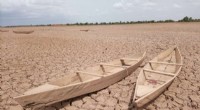
1. Oilseed Crops Resilient to Environmental Conditions: The savanna region of Ghana experiences challenging climatic conditions, including low rainfall and high temperatures. Oilseed crops are well-adapted to these conditions and can thrive with minimal water and fertile soils. This adaptability makes them a reliable and sustainable source of food even in harsh environments.
2. Nutritional Benefits: Oilseeds are powerhouses of essential nutrients. For instance, groundnuts are rich in protein, healthy fats, fiber, vitamins, and minerals such as iron, zinc, and magnesium. Sesame seeds provide calcium and vitamin E, while soybeans are a source of complete plant-based protein, omega-3 fatty acids, and various vitamins and minerals.
3. Enhancing Calorie Intake: Oilseeds are calorically dense, meaning they provide a concentrated source of energy. Incorporating oilseeds into the local diet can help people, especially those facing food shortages, meet their energy requirements and combat malnutrition.
4. Increasing Dietary Diversity: Oilseeds offer a versatile addition to the local diet. They can be consumed as whole seeds, made into flour for porridge, or used to produce cooking oil. This variety promotes dietary diversity, reducing the risk of nutrient deficiencies and ensuring a well-balanced intake.
5. Promoting Self-Sufficiency: Encouraging the cultivation of oilseeds can support the livelihoods of local communities in the savanna region. Surplus oilseeds can be sold in local markets, generating income and reducing reliance on external food sources.
6. Income Generation through Processing: Oilseeds can be processed into various value-added products, creating opportunities for microenterprises. For example, groundnuts can be processed into peanut butter, while soybeans can be transformed into soy milk, tofu, and other soy products. These enterprises can generate income and create jobs, further contributing to the local economy.
7. Strengthening Resilience: Oilseeds can enhance the resilience of local food systems by providing a reliable food source during periods of drought or other adverse weather conditions. This security helps mitigate the effects of food shortages and ensures consistent access to nutritious food.
8. Empowerment of Women: Women often play a central role in agriculture and food production in the savanna region. Promoting oilseed cultivation and processing can empower women by providing them with income-generating opportunities and decision-making power within their households.
To successfully integrate oilseeds into local diets and improve nutrition in the savanna region of Ghana, several interventions are necessary. These may include:
- Providing training and support to farmers in oilseed cultivation and sustainable agricultural practices.
- Investing in infrastructure and technology for oilseed processing and storage.
- Promoting nutrition education and raising awareness about the nutritional value of oilseeds.
- Establishing market linkages to ensure fair prices for oilseed producers and accessibility for consumers.
- Supporting the development of local enterprises and cooperatives focused on oilseed production and processing.
- Incorporating oilseeds into school feeding programs and other nutrition interventions to reach vulnerable populations.
By implementing these strategies, oilseeds can play a crucial role in improving diets, enhancing nutrition, and promoting sustainable development in the savanna region of Ghana, helping to alleviate acute poverty and improve the well-being of the local population.