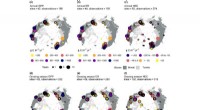
1. Shifts in Species Distributions: Rising temperatures and changing precipitation patterns are causing many species to shift their ranges to more suitable habitats. Some species can adapt by moving to higher latitudes or higher elevations, while others may struggle to find suitable new habitats and face population decline or extinction.
2. Altered Phenology: Climate change is affecting the timing of natural events, such as the onset of spring, flowering, migration, and hibernation. These changes can disrupt ecological relationships, such as those between plants and pollinators or predators and prey.
3. Changes in Ecosystem Structure and Function: Climate change can lead to shifts in species composition within an ecosystem, altering its structure and function. For example, warmer temperatures may favor the growth of certain plant species over others, leading to changes in plant communities. This, in turn, can impact the availability of resources for other organisms in the ecosystem.
4. Loss of Biodiversity: Climate change contributes to biodiversity loss by making it difficult for some species to adapt to changing conditions. This is particularly concerning for species with specialized habitats or limited mobility. The loss of even a single species can have ripple effects throughout an ecosystem, affecting other species that depend on it for food or other resources.
5. Impacts on Ecosystem Services: Disrupted ecosystems can affect the services they provide to humans, including water purification, pollination, carbon sequestration, and regulation of pests and diseases. These changes can have significant social, economic, and health implications for human communities.
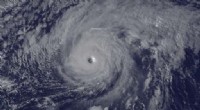
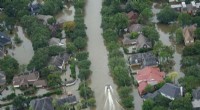
6. Increased Frequency of Extreme Events: Climate change is leading to an increase in the frequency and intensity of extreme events such as heatwaves, droughts, floods, and wildfires. These events can cause ecological damage, disrupt ecosystem processes, and contribute to further habitat loss and biodiversity decline.
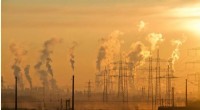
7. Acidification of Oceans: Rising levels of carbon dioxide in the atmosphere are leading to the acidification of oceans. Ocean acidification can damage coral reefs, disrupt marine food webs, and affect the ability of marine organisms to build their shells and skeletons.
8. Changes in Biogeochemical Cycles: Climate change is also influencing biogeochemical cycles, which regulate the movement and transformation of elements such as carbon, nitrogen, and phosphorus. These changes can have significant impacts on ecosystem functions, such as primary productivity and nutrient cycling.
The disruptions caused by climate change pose significant challenges for the conservation of ecosystems and the preservation of biodiversity. Understanding these impacts and implementing effective mitigation and adaptation strategies is essential to minimize the negative consequences of climate change on our planet's ecosystems.