Habitat Fragmentation and Loss:
- Urbanization, agriculture, mining, and infrastructure development have led to the fragmentation and loss of wildlife habitats. Fragmentation disrupts natural corridors and barriers, which affects wildlife movement and migration patterns.
Linear Infrastructure Barriers:
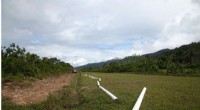
- Roads, highways, railways, and pipelines can physically obstruct wildlife movement, creating barriers that hinder access to essential resources like food, water, and nesting sites.
Noise and Light Pollution:
- Increased noise levels due to traffic, construction, and other human activities can stress animals and disturb their communication and hunting abilities. Artificial lighting from cities and roads disrupts natural light cycles and affects nocturnal species' behavior.
Hunting and Poaching:
- Overhunting and illegal wildlife trade pose significant threats to many species. Poaching for valuable body parts, such as ivory, fur, and horns, further reduces wildlife populations and disrupts natural behaviors.
Human-Wildlife Conflict:
- As human populations expand and encroach on wildlife habitats, conflicts arise when animals compete with humans for resources or enter human-dominated areas, leading to retaliatory actions, injuries, and reduced wildlife movement.
Climate Change:
- Human-induced climate change brings about shifting weather patterns, rising temperatures, and altered habitats. These changes impact wildlife movement as animals search for suitable conditions to survive, pushing them into new areas and altering traditional migration routes.
Disturbance from Recreation:
- Outdoor activities like hiking, camping, and off-road recreation can cause disturbance to wildlife, interrupting breeding, resting, and feeding activities. Animals may abandon preferred habitats due to excessive human presence.
Chemical Pollution:
- Pollutants such as pesticides, fertilizers, and industrial chemicals can enter the environment and affect wildlife's health and behavior. These substances can have toxic effects on animals' bodies and alter their movements and behavior.
Introduced Species:
- Human activities contribute to the spread of non-native species (invasive species) that compete with native wildlife for resources. Some introduced species may transmit diseases or change habitats in ways that disadvantage native species.