1. Carbon Sequestration: Forests act as carbon sinks, absorbing carbon dioxide (CO2) from the atmosphere and storing it in their biomass. Deforestation, the clearing of forests for other land uses, releases this stored carbon back into the atmosphere, contributing to increased greenhouse gas concentrations and global warming.
2. Albedo Effect: Forests have a high albedo, meaning they reflect a substantial portion of the sun's energy back into space. Deforestation reduces the Earth's surface reflectivity, leading to increased absorption of solar radiation and higher temperatures at the Earth's surface.
3. Evapotranspiration: Forests play a crucial role in the process of evapotranspiration, where water is released into the atmosphere through the leaves of plants. This process cools the surrounding environment and contributes to cloud formation, affecting regional climate patterns. Deforestation disrupts evapotranspiration, leading to drier and warmer local climates.
4. Microclimates: Forests create their own microclimates, characterized by cooler temperatures, higher humidity, and reduced wind speeds. Deforestation alters these microclimates, leading to warmer, drier, and windier conditions in the surrounding areas.
5. Rainfall Patterns: Forests influence regional rainfall patterns by influencing cloud formation and precipitation. Deforestation can disrupt these patterns, leading to changes in the amount, timing, and intensity of rainfall, affecting water availability and agriculture.
6. Species Migration and Biodiversity Loss: Deforestation leads to habitat destruction, forcing species to migrate or face extinction. This loss of biodiversity can disrupt ecosystems and have cascading impacts on climate, food production, and human societies.
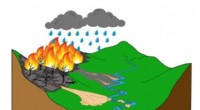
7. Feedback Mechanisms: Deforestation can trigger positive feedback mechanisms that amplify global warming. For instance, forest loss reduces evapotranspiration, leading to drier conditions and increased vulnerability to wildfires. Wildfires further release carbon emissions, exacerbating global temperatures.
8. Forest Management Practices: Sustainable forest management practices, such as selective logging and reforestation, can mitigate the impacts of deforestation and contribute to climate change mitigation. Proper management can maintain forest cover, conserve biodiversity, and reduce carbon emissions.
9. Climate Mitigation and Adaptation: Forests can contribute to climate mitigation by sequestering carbon and providing renewable resources. Additionally, they can play a role in climate adaptation by providing ecosystem services such as water regulation, erosion control, and protection from extreme weather events.
In summary, scientific studies have consistently demonstrated the profound influence of forest management and deforestation on climate patterns. Deforestation contributes to global warming, alters regional climates, disrupts rainfall patterns, and drives biodiversity loss. Sustainable forest management practices are crucial for mitigating these impacts and promoting climate resilience.