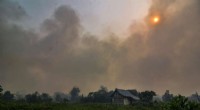
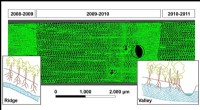
* Increased drought: Climate change is causing the climate in many tropical regions to become drier. This can put stress on big tropical trees, which are not adapted to dry conditions. Drought can also increase the risk of forest fires, which can damage or destroy big tropical trees.
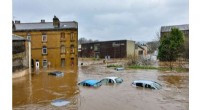
* Increased storms: Climate change is also leading to more frequent and intense storms. These storms can cause high winds and heavy rains that can damage or destroy big tropical trees.
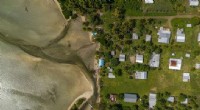
* Rising sea levels: Rising sea levels are threatening coastal forests, which are home to many big tropical trees. In addition, rising sea levels can also cause increased salinity of coastal waters, which can damage or kill big tropical trees.
* Increased competition: Climate change is also causing an increase in competition between plants for resources such as water and sunlight. This can make it difficult for big tropical trees to survive.
As a result of these threats, many big tropical trees are declining in abundance and range. This is having a number of negative consequences, including:
* Loss of biodiversity: Big tropical trees are an important part of rainforest ecosystems, and their decline is leading to a loss of biodiversity.
* Reduced carbon storage: Big tropical trees store large amounts of carbon dioxide in their trunks and leaves. Their decline is reducing the amount of carbon stored in tropical forests, which contributes to climate change.
* Loss of ecosystem services: Big tropical trees provide a number of ecosystem services such as providing shade, reducing erosion, and purifying air and water. Their decline is reducing the availability of these services.
Given the importance of big tropical trees to rainforest ecosystems and human well-being, it is essential that we take steps to protect them from the impacts of climate change. This can be done by:
* Reducing greenhouse gas emissions: This will help to slow the pace of climate change and reduce the impacts on big tropical trees.
* Protecting tropical forests: This can be done by creating protected areas, preventing deforestation, and promoting sustainable forestry practices.
* Restoring degraded forests: This can help to increase the abundance and range of big tropical trees and to improve the resilience of rainforest ecosystems to climate change.
By taking these steps, we can help to protect big tropical trees and the rainforest ecosystems they support.