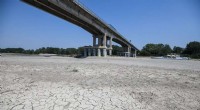
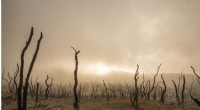
1. Climate Change and Drought: The Pantanal region has been experiencing increasingly prolonged and severe droughts due to climate change. Reduced rainfall and higher temperatures create tinder-dry conditions that make the wetlands more vulnerable to ignition and increase the risk of wildfires spreading rapidly.
2. Human Activity: Human activities, such as illegal logging, cattle ranching, and intentional burning for land clearance or pasture improvement, contribute to the ignition and spread of wildfires. The use of fire as a management tool in agriculture can sometimes get out of control and lead to large-scale wildfires.
3. Lack of Fire Management: Brazil lacks comprehensive fire management policies and resources to effectively prevent and control wildfires. The country's fire response system is often inadequate, with limited firefighting resources and slow response times. This can allow wildfires to burn for extended periods, causing significant environmental damage.
4. Deforestation and Fragmentation: The conversion of natural habitats, including forests, into agricultural land or pastures, creates fragmented landscapes that make it easier for wildfires to spread. Deforestation reduces the humidity in the air and creates a drier microclimate, further increasing the risk of wildfires.
5. Limited Monitoring and Enforcement: Brazil faces challenges in monitoring and enforcing environmental regulations related to fire prevention and control. Weak law enforcement and limited resources for environmental agencies make it difficult to hold individuals or entities accountable for starting or failing to control wildfires.
Addressing the wildfires in Brazil's wetlands requires a multi-pronged approach that includes addressing climate change, promoting sustainable land use practices, improving fire management strategies, and strengthening environmental governance. Collaboration among various stakeholders, including government agencies, landowners, local communities, and conservation organizations, is crucial for developing and implementing effective solutions to mitigate the risks and impacts of wildfires in the Pantanal and other vulnerable ecosystems in Brazil.