Introduction:
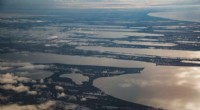
Virginia's barrier islands, a dynamic and ecologically significant coastal landscape, are facing unprecedented challenges due to climate change. A recent study conducted by researchers at the Virginia Institute of Marine Science (VIMS) has provided new insights into how rising sea levels, changing weather patterns, and increased coastal storms are reshaping these fragile ecosystems.
Key Findings:
1.Accelerated Erosion:
The study revealed that climate change-driven sea-level rise is accelerating the erosion of Virginia's barrier islands. Over the past several decades, the rate of erosion has increased significantly, with some islands losing up to several feet of land per year. This rapid erosion threatens critical habitats, infrastructure, and communities along the coastline.
2.Habitat Transformation:
Climate change is also leading to the transformation of barrier island habitats. Saltwater intrusion, caused by rising sea levels, is converting freshwater wetlands into saltwater marshes, impacting the delicate balance of ecosystems and the survival of native species. Additionally, changes in sediment dynamics and vegetation patterns are further altering the structure and function of these coastal environments.
3.Increased Vulnerability to Storms:
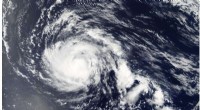
More frequent and intense coastal storms, intensified by climate change, pose a significant threat to Virginia's barrier islands. These powerful storms can cause severe damage to infrastructure, including bridges, roads, and buildings, and can lead to extensive flooding and habitat destruction. The study highlights the urgent need for adaptation and mitigation strategies to protect vulnerable communities and ecosystems from these extreme events.
4.Implications for Sea Level Rise:
The study's findings suggest that Virginia's barrier islands may be more vulnerable to sea-level rise than previously anticipated. The islands' low elevation and exposure to wave energy make them particularly susceptible to inundation and overwashing during high tides and storm surges. This increased vulnerability raises concerns about the long-term viability of some barrier islands and underscores the critical need for proactive planning and management.
Conclusion:
The study conducted by VIMS researchers underscores the profound impacts of climate change on Virginia's barrier islands. By shedding light on the accelerated erosion, habitat transformation, and increased storm vulnerability, the research emphasizes the urgency of addressing climate change and its consequences for coastal communities and ecosystems. The findings call for collaborative efforts among scientists, policymakers, and stakeholders to develop sustainable adaptation strategies that protect Virginia's valuable barrier islands and ensure their resilience in the face of a changing climate.