Street lamps are a common feature of urban environments, and they can have a significant impact on the activity of bats. Bats are nocturnal animals, and they rely on darkness to hunt for food and navigate their surroundings. Street lamps can disrupt this darkness, making it more difficult for bats to find food and avoid predators.
In addition, street lamps can attract insects, which are a food source for bats. This can lead to bats congregating around street lamps, which can make them more vulnerable to predators.
Trees
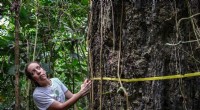
Trees are another important feature of urban environments, and they can also have a significant impact on the activity of bats. Trees can provide bats with roosting sites, which are essential for bats to rest and raise their young. Trees can also provide bats with foraging habitat, as they are often home to insects that bats eat.
The presence of trees in an urban environment can help to mitigate the negative effects of street lamps on bats. Trees can provide bats with dark areas to roost and forage, and they can also help to reduce the number of insects that are attracted to street lamps.
Conclusion
Street lamps and trees can both have a significant impact on the activity of urban bats. By understanding the effects of these features on bats, we can design urban environments that are more bat-friendly.
Here are some tips for creating a more bat-friendly urban environment:
* Turn off street lights when they are not needed.
* Use low-wattage bulbs in street lights.
* Shield street lights so that they do not shine directly into trees.
* Plant trees that are native to your area and that provide bats with roosting and foraging habitat.
By following these tips, we can help to create urban environments that are more welcoming to bats and other wildlife.