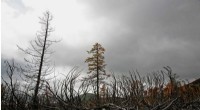
In the summer of 2013, the Rim Fire tore through Yosemite National Park, burning over 250,000 acres of forest. The fire was the largest in the park's history, and it caused widespread damage to the park's infrastructure and natural resources.
However, the Rim Fire also had some positive effects. The fire helped to clear out dead and dying trees that had been accumulating in the park's forests. This reduced the risk of future wildfires, and it also provided habitat for new plants and animals.
In addition, the fire helped to improve the health of the park's watershed. The wildfire burned away vegetation that had been competing with the trees for water, and it also helped to clear out sediment that had been clogging the park's streams and rivers. This led to increased water flow and improved water quality, which benefited the park's native fish and other aquatic species.
The Rim Fire was a devastating event, but it also had some positive effects. The fire helped to clear out dead and dying trees, improve the health of the park's watershed, and provide habitat for new plants and animals. These benefits will help to ensure that Yosemite National Park remains a healthy and vibrant ecosystem for generations to come.
Here are some of the specific ways that the Rim Fire restored the Yosemite watershed:
- Reduced the risk of future wildfires. The fire removed dead and dying trees from the park's forests that could have served as fuel for future blazes.
- Improved the water quality of the park's streams and rivers. The fire helped to clear out vegetation that had been polluting the water and clogging the streams.
- Created new habitat for plants and animals. The fire burned away thick vegetation that had prevented other plants and animals from thriving.
- Exposed valuable mineral deposits. The fire burned away vegetation hiding valuable mineral deposits, such as copper and gold.
- Reduced disease. Insects spread many diseases. Because many died because of the fire’s heat that reached temperatures over 900 degrees fahrenheit.
Despite all the benefits the fire brought, many environmentalists criticize fire as a restoration tool because of all the carbon released into the atmosphere and its overall long-term effects on an ecosytem are undetermined.