Hurricanes, with their immense power and destructive force, are known for the devastation they can bring to coastal communities and ecosystems. However, a new study conducted in the Everglades has shed light on the lesser-known and crucial role hurricanes play in shaping the intricate coastal landscape of this unique ecosystem.
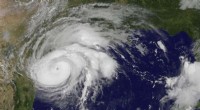
Led by a team of researchers from the University of Florida and the Everglades National Park, the study focused on Hurricane Irma, a Category 5 hurricane that made landfall in Florida in 2017. The researchers employed cutting-edge techniques, such as high-resolution aerial imagery, field surveys, and sediment analysis, to investigate the impacts of the hurricane on the coastal mangrove forests of the Everglades.
One of the key findings of the study was that Hurricane Irma significantly altered the coastline by redistributing sediment and changing the topography. The hurricane's storm surge, combined with powerful winds, eroded beaches and pushed sediment inland. This resulted in the formation of new landmasses and the expansion of existing islands within the mangrove forests.
Moreover, the study revealed that Hurricane Irma played a crucial role in maintaining the health and diversity of the mangrove ecosystems. By creating new habitats and changing the landscape, the hurricane promoted the growth of various plant species and increased the overall resilience of the mangrove forests.
Lead researcher Dr. Sarah Davis explained, "Our findings highlight the dynamic nature of coastal environments and the vital role of hurricanes in sustaining these ecosystems. While hurricanes can cause substantial destruction, they also act as natural architects, reshaping the landscape and providing opportunities for new life to thrive."
The study's implications extend beyond the Everglades, offering valuable insights into the relationship between hurricanes and coastal ecosystems worldwide. It underscores the importance of considering the long-term ecological effects of hurricanes when developing coastal management strategies and ensuring the preservation of these critical habitats.
By understanding the complex interactions between storms and coastal landscapes, scientists and policymakers can work together to mitigate the destructive impacts of hurricanes while harnessing their potential to shape diverse and resilient ecosystems.