1. The Urban Heat Island Effect:
- Cities often have higher temperatures than surrounding rural areas, a phenomenon known as the urban heat island effect.
- This effect is primarily caused by buildings, roads, and other infrastructure that absorb and release heat, altering the local climate.
- The heat island effect can intensify heatwaves, making them more frequent and severe in urban areas.
2. Reduced Vegetation:
- Urban areas usually have less vegetation compared to rural landscapes.
- Trees and plants play a crucial role in regulating temperature and moisture levels. Their absence in cities can exacerbate extreme weather events, such as heatwaves and droughts.
3. Altered Wind Patterns:
- Buildings and other structures in cities can disrupt natural wind patterns.
- This interference can lead to increased wind speeds in some areas and reduced wind speeds in others, affecting local weather conditions and potentially exacerbating extreme events like storms and tornados.
4. Air Pollution:
- Densely populated urban areas often have higher levels of air pollution due to increased traffic, industrial activities, and energy consumption.
- Air pollutants can trap heat in the atmosphere, contributing to higher temperatures and worsening heatwaves.
- Additionally, air pollution can alter cloud formation and precipitation patterns, potentially intensifying storms and heavy rainfall events.
5. Urban Drainage Systems:
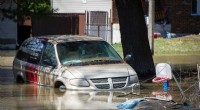
- Urban drainage systems, such as sewers and storm drains, can influence the severity of flooding during heavy rainfall events.
- Inadequate or poorly designed drainage systems can lead to localized flooding, property damage, and infrastructure disruptions.
6. Urban Canyon Effect:
- Tall buildings in cities can create narrow streets and spaces known as urban canyons.
- These canyons can channel winds and amplify their speed, potentially increasing the strength of storms and affecting local weather patterns.
7. Reduced Water Surfaces:
- Cities often have fewer natural water bodies, such as lakes and rivers, due to urban development and land use changes.
- The absence of these water surfaces reduces the evaporative cooling effect, leading to higher temperatures and contributing to heatwaves.
Understanding the complex interactions between urban layouts, textures, and extreme weather events is crucial for urban planning and design. Implementing sustainable urban practices and incorporating green infrastructure can help mitigate the negative impacts of cities on local climate conditions and reduce the severity of extreme weather events.