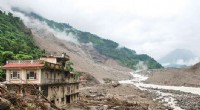
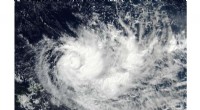
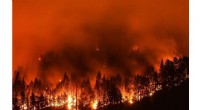
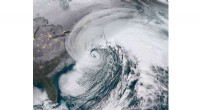
More accurate weather models can provide us with more precise and timely forecasts, allowing us to better prepare for extreme weather events and natural disasters. This can help reduce the impacts on human lives, property, and ecosystems.
2. Climate Change Monitoring:
Sharper climate models are crucial for monitoring the progression of climate change and understanding the potential impacts on different regions and ecosystems. They help us track long-term trends, predict future climate scenarios, and develop mitigation strategies.
3. Disaster Preparedness and Management:
Accurate climate models are vital for disaster risk assessment and management. They can help identify vulnerable areas, anticipate potential hazards, and prepare response plans to minimize the impacts of extreme events like floods, droughts, heatwaves, and wildfires.
4. Energy Sector Planning:
Sharper weather and climate models can provide valuable insights for energy planning. They can help predict future energy demand, optimize renewable energy production, and guide investments in energy infrastructure to ensure a reliable and sustainable energy system.
5. Agricultural Planning:
Weather and climate models are essential for agriculture. Farmers rely on accurate weather predictions to make decisions about planting, irrigation, pest management, and harvesting. Climate models can also help farmers adapt to long-term climate shifts that affect crop yields and growing seasons.
6. Water Resource Management:
Precise climate models are crucial for water resource management, including water allocation, reservoir operations, flood control, and drought planning. They can help ensure efficient and sustainable use of water resources, particularly in regions facing water scarcity.
7. Infrastructure Design:
Weather and climate models inform the design and construction of infrastructure projects. They help engineers account for potential extreme weather conditions, ensuring structures are resilient to storms, floods, heatwaves, and other climate-related hazards.
8. Insurance Industry:
The insurance industry relies on accurate weather and climate models to assess risks, set premiums, and develop policies for various natural hazards. More accurate models lead to better risk management and pricing.
9. Public Health Planning:
Climate models play a role in studying the spread of diseases, health impacts of air pollution, and the connection between climate change and human health. This knowledge supports public health policies and interventions.
10. Ecosystem Conservation:
Weather and climate models contribute to understanding the impacts of climate change on ecosystems, species distribution, and biodiversity. This information is vital for conservation efforts and protecting vulnerable habitats.
Overall, sharper weather and climate models offer a wide range of benefits, helping us make informed decisions, mitigate risks, and adapt to a changing climate.