Hunter-gatherers migrate for a variety of reasons, including:
* Food: Hunter-gatherers rely on wild plants and animals for food, and these resources can vary in abundance from season to season and from year to year. In order to find enough food, hunter-gatherers may need to move to new areas where resources are more plentiful.
* Water: Water is essential for survival, and hunter-gatherers often need to move to new areas where there is a reliable water source. This is especially important in arid and semi-arid environments.
* Shelter: Hunter-gatherers often build temporary shelters out of natural materials, such as branches, leaves, and animal skins. These shelters can provide protection from the elements, but they are not always permanent. When the weather changes or when resources become scarce, hunter-gatherers may need to move to new areas where they can find better shelter.
* Social: Hunter-gatherers often live in small, egalitarian groups. These groups are typically based on kinship, and they may cooperate in hunting, gathering, and other activities. However, hunter-gatherers may also migrate in order to avoid conflict with other groups or to find new mates.
How far hunter-gatherers migrate
The distance that hunter-gatherers migrate can vary greatly depending on a number of factors, including:
* The environment: Hunter-gatherers who live in environments with abundant resources may not need to migrate very far in order to find what they need. However, hunter-gatherers who live in harsh environments may need to travel long distances in search of food, water, and shelter.
* The group's size: Larger hunter-gatherer groups may need to migrate more frequently in order to find enough resources for everyone. Smaller groups may be able to stay in one place for a longer period of time.
* The group's social organization: Hunter-gatherers who live in egalitarian societies may be more likely to migrate than those who live in hierarchical societies. This is because egalitarian societies are less likely to have the resources to support a permanent settlement.
Hunter-gatherers may migrate seasonally, annually, or even over longer periods of time. Some hunter-gatherer groups may have a fixed territory that they return to each year, while others may wander more freely. The distance that hunter-gatherers migrate can vary from a few kilometers to hundreds of kilometers.
Examples of hunter-gatherer migration
There are many examples of hunter-gatherer migration. Some of the most well-known examples include:
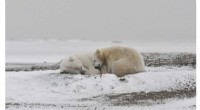
* The Inuit of the Arctic: The Inuit are a group of hunter-gatherers who live in the Arctic region of North America. The Inuit migrate seasonally in search of food, following the movements of caribou and other animals.
* The San of the Kalahari Desert: The San are a group of hunter-gatherers who live in the Kalahari Desert of southern Africa. The San migrate in search of water, following the seasonal rains.
* The Aborigines of Australia: The Aborigines are a group of hunter-gatherers who live in Australia. The Aborigines migrate in search of food and water, following the seasonal changes in the climate.
Hunter-gatherer migration is an important part of the history of human evolution. By moving from one place to another, hunter-gatherers were able to adapt to changing environments and to find new sources of food and water. This allowed them to survive and thrive in a variety of different habitats.