1. Rising Temperatures: One of the most prominent findings is the consistent rise in global average temperatures. Long-term measurements from various sources, including land-based weather stations, buoys, and satellites, indicate a steady increase in the Earth's average temperature over the past century.
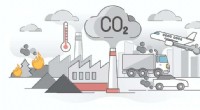
2. Greenhouse Gas Concentrations: Measurements of atmospheric greenhouse gas concentrations, such as carbon dioxide (CO2), methane (CH4), and nitrous oxide (N2O), have shown significant increases since the pre-industrial era. Human activities, particularly the burning of fossil fuels and deforestation, have been identified as the primary contributors to these rising greenhouse gas levels.
3. Glacier Retreat: Long-term monitoring of glaciers and ice sheets reveals widespread and accelerating ice loss. Glaciers around the world are retreating at an alarming rate, contributing to sea-level rise and altering the local ecosystems.
4. Arctic Sea Ice Decline: Arctic sea ice extent, thickness, and age have been monitored through satellite observations and in situ measurements. The findings consistently indicate a substantial decrease in Arctic sea ice, particularly during the summer months. This rapid decline affects polar ecosystems, weather patterns, and global sea levels.
5. Changes in Precipitation Patterns: Long-term precipitation records show alterations in rainfall patterns, with some regions experiencing intensified rainfall events and flooding, while others face drying trends and droughts. These changes can lead to water resource management challenges and agricultural impacts.
6. Ocean Changes: Long-term measurements of ocean temperatures, salinity, sea levels, and ocean currents have revealed significant changes. The oceans have absorbed a large portion of the heat trapped by greenhouse gases, resulting in ocean warming. Rising sea levels pose a major threat to coastal communities, infrastructure, and ecosystems.
7. Extreme Weather Events: Long-term climate data allow scientists to analyze trends in extreme weather events, such as heatwaves, storms, hurricanes, and droughts. Increased frequency, intensity, and duration of these events are consistent with climate change projections.
These findings from long-term climate measurements play a crucial role in assessing the current state and trajectory of climate change. They form the basis for climate science, modeling, and policy-making, aiding efforts to mitigate greenhouse gas emissions, adapt to changing conditions, and ensure a sustainable future for the planet.