Meet the Maggot: A Fascinating Creature
Maggots are the larval stage of flies, and they thrive in warm, moist environments where organic matter is present. When a person dies, their body becomes an ideal breeding ground for these flies. As the adult flies lay their eggs on the body, they hatch into maggots that begin to feed on the decaying tissue.
The Life Cycle of a Maggot
The maggot goes through several stages of development, starting as an egg and then transitioning into a larva (the maggot stage), a pupa, and finally an adult fly. Understanding the maggot's life cycle is essential for forensic entomologists, as it allows them to estimate the time since death (postmortem interval) with remarkable accuracy.
By examining the size, maturity level, and population of maggots on a deceased individual, forensic entomologists can narrow down the possible time frame of death. This information can be crucial in building a timeline of events during a criminal investigation.
Ecological Succession: A Valuable Clue
Maggots are not the only insects attracted to a decomposing body. Various species of insects arrive in a predictable sequence, known as ecological succession, as the decay progresses. Forensic entomologists have meticulously studied and documented this succession, enabling them to identify the time-specific insect community present on a deceased individual.
By examining the particular insects and their developmental stages, forensic entomologists can further refine their estimate of the postmortem interval, even narrowing it down to a specific season or time of day in some cases.
Forensic Anthropology and Entomological Collaboration
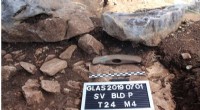
Forensic anthropologists often work closely with forensic entomologists to triangulate information about the deceased. For example, an anthropologist might examine skeletal remains to determine the individual's age, sex, and any signs of trauma. Simultaneously, the forensic entomologist studies the insect evidence to provide insights into the postmortem interval and environmental conditions.
The combined expertise of forensic anthropologists and entomologists helps paint a more complete picture of the circumstances surrounding death, making them a formidable team in solving complex cases.
Conclusion: Maggots – Nature's Silent Investigators
Maggots, with their uncanny ability to thrive in gruesome environments and their intricate life cycles, have become invaluable partners in forensic investigations. Their presence on a deceased individual provides vital clues that assist law enforcement and forensic scientists in unraveling mysteries and bringing criminals to justice.
Despite their unpleasant reputation, maggots serve as a powerful tool in the world of forensic science, reminding us of the importance of embracing even the most unexpected sources of assistance in the pursuit of truth and justice.