* Reduced deforestation: Woody biomass could provide a sustainable alternative to fossil fuels, reducing the need to clear forests for energy production.
* Increased carbon sequestration: Woody biomass could help to increase carbon sequestration by storing carbon in trees and forest soils.
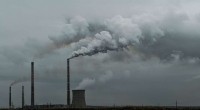
* Improved air quality: Woody biomass could help to improve air quality by reducing emissions of greenhouse gases and air pollutants.
* Enhanced soil fertility: Woody biomass could help to enhance soil fertility by adding organic matter and nutrients to the soil.
* Increased biodiversity: Woody biomass could help to increase biodiversity by providing habitat for a variety of plants and animals.
* Improved water quality: Woody biomass could help to improve water quality by reducing erosion and filtering pollutants.
* Reduced soil erosion: Woody biomass could help to reduce soil erosion by holding the soil in place.
Overall, increased woody biomass use could have a number of positive impacts on the global forest ecosystem. However, it is important to note that woody biomass use also has some potential negative impacts, such as increased air pollution and soil erosion. It is important to carefully manage woody biomass use in order to maximize the benefits and minimize the risks.