To mitigate the impacts of solar installations on native, endangered birds, it is important to follow certain guidelines and best practices:
1. Site selection: Avoid installing solar panels in areas that are known to be important habitat for native, endangered birds. These areas may include wetlands, forests, and other natural areas where birds are likely to be found.
2. Panel design: Use solar panels that are designed to be bird-friendly. These panels have specialized coatings or patterns that help to reduce glare and make the panels more visible to birds.
3. Spacing: Install solar panels at least 10 feet (3 meters) above the ground to allow birds to fly safely beneath them.
4. Vegetation management: Keep the area around solar panels clear of vegetation to prevent birds from perching on the panels or colliding with them.
5. Monitoring: Regularly monitor the area around solar installations for dead or injured birds. If you find any birds that have been harmed by the solar panels, take steps to mitigate the impacts and prevent further harm.
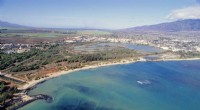
By following these guidelines and best practices, we can help to protect native, endangered birds from the threats posed by solar installations and ensure that these important species can continue to thrive in Hawaiʻi.