Agriculture and Food Production:
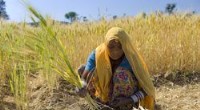
- Disruption of Growing Seasons: Climate cooling can lead to shorter growing seasons, making it challenging for agriculture-based societies to produce sufficient food. The decreased temperatures can affect crop yields, leading to food shortages and famines.
Water Resources:
- Reduced Water Availability: Cooling climates can result in reduced precipitation and water scarcity, especially in regions dependent on rainfall for agriculture. This can lead to conflicts over water resources and can hinder the development of societies.
Migration and Population Shifts:
- Displacement of Populations: Cooling climates can make certain regions inhospitable, forcing people to migrate in search of more favorable conditions. Mass migrations can put pressure on resources and lead to social tensions and conflicts.
Economic Impacts:
- Decline in Trade and Commerce: Climate cooling can disrupt trade routes, especially those that rely on sea travel, leading to economic downturns and decreased access to essential goods.
- Infrastructure Damage: Extreme weather events associated with climate cooling, such as increased snowfall and ice storms, can damage infrastructure and disrupt transportation, hindering economic activity.
Health Risks:
- Spread of Diseases: Cooling temperatures can favor the spread of certain diseases, including respiratory infections and waterborne illnesses, affecting the health and well-being of populations.
Political and Social Instability:
- Social Unrest: Food shortages, economic decline, and resource scarcity can lead to social unrest, civil conflicts, and political instability, hindering societal development.
Examples from History:
- The Little Ice Age (14th-19th centuries) in Europe led to widespread famine, crop failures, and economic disruptions, contributing to social unrest and the fall of certain feudal systems.
- The collapse of the Mayan civilization around the 9th century CE has been linked to a prolonged drought and cooling period, which affected agriculture and water resources in the region.
Conclusion:
Climate cooling can pose significant challenges to human societies, disrupting agriculture, water resources, economic activities, and social stability. By understanding these potential impacts, societies can develop adaptation strategies and mitigate the adverse effects of climate cooling on their development and prosperity.