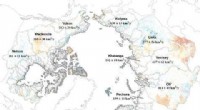
Carbon Sequestration: Plants and algae growing in and around the pond absorb carbon dioxide (CO2) from the atmosphere through the process of photosynthesis. This CO2 is converted into plant biomass, effectively removing it from the atmosphere.
Methane Mitigation: Wetlands and ponds can help reduce methane (CH4) emissions, another potent greenhouse gas. Certain plants, such as cattails and sedges, release oxygen into the rhizosphere (the area around their roots), promoting the growth of aerobic bacteria. These bacteria consume methane, converting it into less harmful compounds.
Cooling Effect: Ponds act as natural cooling systems by releasing water vapor into the air through evaporation. This can help mitigate local temperature increases, reducing the urban heat island effect and providing a cooler microclimate in your garden.
Biodiversity Support: Ponds attract various wildlife, including insects, amphibians, birds, and aquatic plants. This biodiversity can enhance the ecosystem's resilience and contribute to a healthier environment overall.
Increased Oxygen Production: Aquatic plants release oxygen as a byproduct of photosynthesis, increasing the oxygen content in the surrounding area. This can improve air quality and benefit local wildlife.
By incorporating ponds into your garden, you can create a small-scale ecosystem that supports carbon sequestration, methane reduction, temperature regulation, biodiversity enhancement, and oxygen production. These collective effects contribute to the fight against climate change at a local level.
Remember that the effectiveness of a pond in carbon absorption and climate change mitigation depends on various factors, such as its size, depth, plant density, and the surrounding environment. Consulting with experts in pond design, ecology, and climate change can help you optimize your pond's potential to contribute to a more sustainable and resilient landscape.