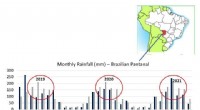
Rainfall Intensity and Duration: The amount and intensity of rainfall play a crucial role in determining the severity of a flood. If a region receives an exceptionally high amount of rainfall over a short period, it can lead to flash floods, which are characterized by rapid and intense flooding. These floods have the potential to inundate areas that are not typically prone to flooding. On the other hand, if the rainfall is spread over a longer duration or is less intense, the risk of inundation may be reduced, giving water time to be absorbed or drained away.
Soil Saturation: The level of soil saturation can significantly impact the likelihood of flooding. When the ground is already saturated from previous rainfall or prolonged wet weather, it has limited capacity to absorb additional water. This can cause even moderate rainfall to result in flooding. Conversely, if the soil is dry and has the capacity to absorb more water, it may mitigate the effects of heavy rainfall and reduce the risk of inundation.
Drainage System Capacity: The effectiveness of a region's drainage system plays a crucial role in managing floodwaters. If the drainage infrastructure, such as storm drains and culverts, is insufficient or poorly maintained, it may struggle to handle the volume of water generated by heavy rainfall. This can lead to flooding even in areas that are not typically flood-prone. On the other hand, if the drainage system is well-designed and properly maintained, it can efficiently channel water away from populated areas, reducing the risk of inundation.
Topographical Features: The topography of an area influences the flow of water during heavy rainfall. Homes situated in low-lying areas, floodplains, or near bodies of water are more vulnerable to inundation compared to those located at higher elevations. Topography can also affect the speed and direction of floodwaters, exacerbating the impact in certain locations.
Structural Measures: Some homes may be equipped with flood mitigation measures, such as floodwalls, levees, or elevated foundations, designed to protect against inundation. These measures can significantly reduce the risk of flooding or minimize the extent of water damage during flood events. Homes that lack these protective measures or have inadequate flood defenses may be more susceptible to inundation during floods.
It's important to note that flooding behavior is complex and influenced by various factors in combination. Changes in rainfall patterns, land use, urbanization, and environmental conditions can contribute to changing flood risks over time, making some areas that were previously spared more prone to inundation. Therefore, it is essential to stay informed about flood risks and consider appropriate measures to mitigate potential impacts on your property.