While the report focuses on climate adaptation and resilience, it also highlights the urgent need for mitigation – reducing emissions of greenhouse gases – to avoid the most severe consequences of climate change.
"We are at a crossroads," said IPCC Working Group II Co-Chair Hans-Otto Pörtner. "The decisions we make now can secure a liveable and sustainable future for all, or they can set us on a path of suffering and social upheaval."
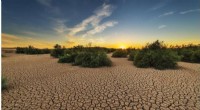
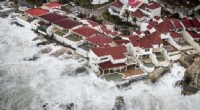
The impacts of climate change are already being felt around the world, and are expected to intensify in the coming decades. These impacts include more extreme weather events, such as heat waves, floods, droughts, and wildfires; rising sea levels; ocean acidification; and the loss of biodiversity.
The report warns that these impacts are not only environmental, but also have social, economic, and human rights dimensions. For example, climate change is already leading to food shortages, water scarcity, and displacement of people from their homes.
The report also highlights the importance of adaptation to climate change, which is essential for reducing the risks and impacts of climate change. Adaptation measures include things like building sea walls to protect coastal communities from rising sea levels, improving drainage systems to reduce the risk of flooding, and developing drought-resistant crops.
However, the report warns that adaptation alone will not be enough to avoid the most severe impacts of climate change. Mitigation is also essential, which means reducing emissions of greenhouse gases.
The report calls for urgent action on climate change, including:
* Reducing emissions of greenhouse gases to net zero as quickly as possible
* Investing in adaptation to climate change
* Building resilience to the impacts of climate change
* Supporting the most vulnerable communities to cope with the effects of climate change
"We have the knowledge, the tools and the resources to address the climate crisis," said IPCC Chair Hoesung Lee. "What we lack is the political will."