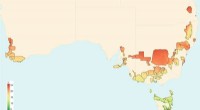
Geographic isolation is one of the most common mechanisms of speciation. When a population of birds is divided by a geographic barrier, such as a mountain range or a river, the two groups may evolve independently over time. This can lead to the development of different physical characteristics, behaviors, and vocalizations, eventually resulting in the formation of two distinct species.
Sexual selection is another important mechanism of speciation. In this case, females choose males based on certain physical characteristics or behaviors. Over time, this can lead to the development of exaggerated traits in males, such as long tail feathers or colorful plumage. Eventually, these traits may become so pronounced that they prevent males from mating with females from other populations, leading to speciation.
Ecological specialization is a third mechanism of speciation. This occurs when a population of birds adapts to a specific ecological niche, such as a particular type of habitat or food source. Over time, these birds may develop adaptations that make them better suited to their environment, such as a longer beak for reaching nectar or a stronger bill for cracking seeds. Eventually, these adaptations may become so pronounced that they prevent birds from mating with individuals from other populations, leading to speciation.
The process of speciation can be a slow and gradual one, or it can occur relatively quickly. In some cases, new species may arise in a matter of a few generations, while in other cases it may take thousands or even millions of years.
The study of speciation is a complex and challenging field, but it is also one of the most important. By understanding how new species arise, we can gain a better understanding of the diversity of life on Earth and the processes that drive evolution.