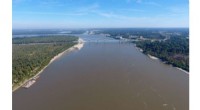
Extreme Rainfall: The torrential rainfall has been exceptionally high in many regions, with some areas receiving more than a year's worth of rain in just a few days. The extreme weather patterns are linked to climate change, characterized by more intense rainfall events and changing precipitation patterns.
Impact of Climate Change: Rising global temperatures due to climate change contribute to increased melting of glaciers and increased water vapor in the atmosphere, leading to more intense rainfall events and higher chances of flooding.
Poor Urban Planning and Inadequate Drainage: Rapid urbanization in China has resulted in extensive construction, often covering natural waterways and green areas. This reduces the capacity of the land to absorb rainwater and leads to overwhelmed drainage systems, further contributing to flooding.
In India and Bangladesh, heavy monsoon rains, overflowing rivers, and poor drainage systems have caused widespread flooding. The Brahmaputra River and the Ganges River have burst their banks, inundating vast areas of these countries. Climate change, deforestation, and the encroachment of wetlands and floodplains for development are also contributing factors to the severity of these floods.