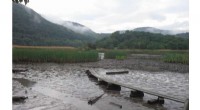
The Crow River, a tributary of the Mississippi River in Minnesota, may not be as well-known as its mighty neighbor, but its impact on the Mississippi's water quality cannot be overlooked. This seemingly small river presents significant pollution challenges that ultimately cloud the waters of the Mississippi, affecting both aquatic ecosystems and downstream communities.
The Crow River flows through various agricultural areas, and one of its major pollution problems stems from agricultural runoff. Intensive farming practices often result in excess fertilizers and pesticides being washed into the river, especially during heavy rains. This nutrient influx can lead to algal blooms and eutrophication, disrupting the natural balance of the waterway and depleting oxygen levels, creating dead zones where aquatic life struggles to survive.
Aside from agricultural runoff, the Crow River also suffers from urban and industrial discharges. Untreated wastewater from municipalities, septic systems, and industrial facilities can contribute to nutrient pollution, introducing harmful chemicals and pathogens into the river. This can make the water unsafe for human recreation and poses risks to aquatic species.
As the Crow River merges with the Mississippi River, its pollutants become part of the Mississippi's larger water system. The Mississippi River is a vital source of drinking water for millions of people downstream, and the Crow River's contributions can jeopardize the safety and quality of this essential resource. Elevated nutrient levels and harmful contaminants can require additional water treatment processes, increasing costs for communities and potentially compromising water quality.
Furthermore, the pollution in the Crow River can impact the entire Mississippi River ecosystem. Algal blooms can block sunlight from reaching aquatic plants, disrupting the food chain. Reduced oxygen levels can cause fish kills and harm other aquatic organisms, resulting in a decline in biodiversity. The ripple effects of this pollution extend far beyond the Crow River's immediate vicinity, affecting downstream ecosystems all along the Mississippi's course.
Addressing the pollution in the Crow River and mitigating its impacts on the Mississippi River requires comprehensive efforts. Implementing sustainable farming practices, improving wastewater treatment infrastructure, and promoting responsible land management are crucial steps towards reducing nutrient pollution and enhancing water quality. By taking action at the local level, communities along the Crow River and the Mississippi can work together to safeguard these precious water resources and ensure a healthier environment for both people and wildlife.