One of the biggest challenges that floods and droughts pose for science society is that they can disrupt research. When flood or drought conditions occur, researchers may have to evacuate their laboratories, which can lead to the loss of valuable data and specimens. In addition, extreme weather conditions can also damage research equipment, making it difficult for scientists to continue their work.
Another challenge that floods and droughts pose for science society is that they can make it difficult to communicate scientific findings. When extreme weather conditions occur, it can be difficult for scientists to travel to conferences and workshops to share their research findings. In addition, extreme weather conditions can also disrupt communication networks, making it difficult for scientists to collaborate with colleagues and disseminate their findings.
Despite the challenges that floods and droughts pose for science society, scientists are finding ways to adapt and continue their work. For example, some scientists have developed new techniques to collect data and store specimens during extreme weather conditions. In addition, some scientific organizations have established emergency funds to help scientists who have been affected by floods or droughts.
By finding ways to adapt and continue their work, scientists are helping to ensure that science society continues to thrive even in the face of extreme weather conditions.
Here are some specific examples of how floods and droughts have challenged science society globally:
* In 2017, Hurricane Harvey flooded the city of Houston, Texas, causing widespread damage. The floodwaters also damaged several research laboratories, including the Texas Medical Center, one of the largest medical research centers in the world. The flooding disrupted research on a variety of topics, including cancer, heart disease, and diabetes.
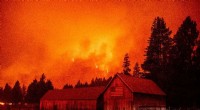
* In 2018, the California wildfires destroyed over 8,000 homes and businesses. The fires also damaged or destroyed several research laboratories, including the University of California, Berkeley's Lawrence Berkeley National Laboratory. The fires disrupted research on a variety of topics, including climate change, energy, and materials science.
* In 2019, Cyclone Idai made landfall in Mozambique, causing widespread flooding. The floodwaters killed over 1,000 people and displaced millions more. The flooding also disrupted research at the Eduardo Mondlane University, the largest university in Mozambique. The research projects that were disrupted included studies on malaria, HIV/AIDS, and tuberculosis.
These are just a few examples of the many ways that floods and droughts can challenge science society globally. By understanding the challenges that extreme weather conditions pose for science, we can better prepare for and mitigate their impact.