- Heat-related illnesses, such as heat stroke and heat exhaustion
- Air pollution, which can aggravate asthma, heart disease, and other respiratory problems
- Water pollution, which can cause gastrointestinal illnesses, skin infections, and other health problems
- Vector-borne diseases, such as malaria, dengue fever, and Zika virus
- Mental health problems, such as anxiety, depression, and post-traumatic stress disorder (PTSD)
Storms can also cause physical damage to homes, businesses, and infrastructure, which can lead to displacement, loss of income, and other health problems.
Climate change is a serious threat to public health, and it is important to take action to mitigate its effects. This includes reducing our greenhouse gas emissions, investing in renewable energy sources, and building resilient communities.
Specific examples of how storms can impact our health:
- Hurricanes and tropical storms can cause flooding, which can lead to the spread of waterborne diseases, such as cholera and typhoid fever. Flooding can also damage homes and infrastructure, which can lead to displacement, loss of income, and other mental health problems.
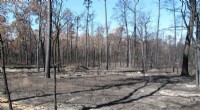
- Wildfires can release harmful pollutants into the air, which can irritate the lungs and trigger asthma attacks. Wildfires can also cause skin burns and other injuries.
- Droughts can reduce the amount of water available for drinking, which can lead to dehydration and other health problems. Droughts can also damage crops and livestock, which can lead to food shortages and malnutrition.
- Heat waves can cause heat-related illnesses, such as heat stroke and heat exhaustion. Heat waves can also aggravate existing health conditions, such as heart disease and diabetes.
Vulnerable Populations:
Certain populations are more vulnerable to the health impacts of extreme weather events. These include:
- Children
- Elderly adults
- People with chronic health conditions
- People who live in poverty
- People who live in rural areas
It is important to take steps to protect vulnerable populations from the health impacts of extreme weather events. These steps include:
- Providing access to early warning systems
- Evacuating people who are in danger
- Providing shelter, food, and water to people who have been displaced
- Offering mental health support to people who have been affected by extreme weather events