Thrips Species:
Several thrips species, including Liothrips mikaniae and Liothrips tracysmithi, have been identified as effective natural enemies of Brazilian peppertrees. These thrips primarily feed on the leaves of the peppertrees, causing significant damage.
Feeding Damage:
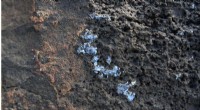
Thrips cause damage to the leaves by feeding on the mesophyll tissues. This feeding results in the formation of small, silvery patches on the leaves, leading to a condition known as "silvering" or "thrip damage." The silvery patches are caused by the thrips' feeding habits, as they remove the chlorophyll from the leaves.
Impact on Tree Growth and Reproduction:
The extensive silvery damage caused by thrips feeding can significantly affect the overall health and vigor of Brazilian peppertrees. It inhibits photosynthesis, reduces the plant's ability to produce energy, and hinders growth. Additionally, heavy thrips infestations can negatively impact the reproductive capabilities of the trees, reducing seed production and seed viability.
Population Control and Spread:
Thrips have the potential to suppress Brazilian peppertree populations over time. By causing extensive leaf damage and disrupting the plant's reproductive processes, thrips can help control the spread and dominance of this invasive species. Moreover, thrips have the ability to establish and multiply rapidly, enhancing their impact on Brazilian peppertree populations.
Host Specificity:
One of the advantages of using thrips as a biocontrol agent is their host specificity. Liothrips mikaniae and L. tracysmithi have been found to primarily target Brazilian peppertrees, without significantly impacting other native or desirable plant species. This host specificity minimizes potential negative effects on non-target plants in the ecosystem.
Ongoing Research and Considerations:
While thrips have shown promise in controlling Brazilian peppertrees, ongoing research and monitoring are necessary to fully understand their impact and potential risks. Factors such as climatic conditions, the density of thrips populations, and the long-term effects on ecosystems require further investigation.
In summary, thrips species like Liothrips mikaniae and L. tracysmithi have demonstrated their potential as effective biocontrol agents for managing invasive Brazilian peppertrees in Florida. They cause extensive leaf damage, affecting the plant's growth, reproduction, and overall health. As research continues, thrips could play a significant role in suppressing the spread of Brazilian peppertrees and restoring ecological balance in affected areas.