1. Temperature:
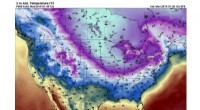
- High temperatures: can lead to heat stress in crops, reducing yields.
- Low temperatures: can cause frost damage, especially to fruits, vegetables, and flowers.
- Extreme temperature fluctuations: can disrupt plant growth and development, affecting crop yields.
2. Precipitation:
- Rainfall: Too much rainfall can cause flooding, waterlogging, and nutrient leaching, while too little rainfall leads to drought conditions, both of which can hurt crop production.
- Timing and distribution of rainfall: Uneven rain patterns can affect the availability of water for irrigation and hinder plant growth.
3. Droughts:
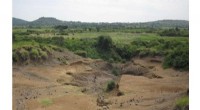
- Extended periods of dryness can severely stress crops and livestock, impacting agricultural productivity and food supply.
4. Floods:
- Heavy rainfall and overflowing rivers can result in flooding, destroying crops, damaging infrastructure, and disrupting transportation networks, affecting agricultural trade.
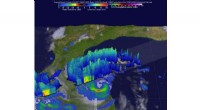
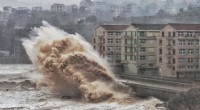
5. Storms and Cyclones:
- Strong winds, heavy precipitation, and hail associated with storms can cause significant damage to crops, orchards, and farm structures, leading to losses in production and trade.
6. Sunshine and Cloud Cover:
- Lack of sunshine can hinder photosynthesis, affecting crop growth and reducing yields.
7. Humidity:
- High humidity can promote the spread of diseases and pests in crops, impacting agricultural production and trade.
8. Wind:
- Strong winds can cause physical damage to crops, while also affecting pollination and spreading pests and diseases.
9. Changing Climate Patterns:
- Long-term changes in weather patterns, such as rising temperatures, altered precipitation patterns, and increased frequency of extreme events, can have profound effects on agricultural systems, disrupting production and trade.
These weather characteristics can influence crop yields, livestock health, transportation, storage conditions, and market demand, all of which have direct implications for agricultural and food trade.