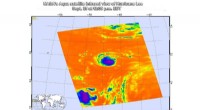
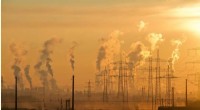
1. Climate Change: The escalating rise in global temperatures due to greenhouse gas emissions is a major threat to the planet and its ecosystems. Climate change leads to extreme weather events, sea level rise, disruption of agricultural systems, and loss of biodiversity, all of which can have severe consequences for human societies.
2. Environmental Degradation: Human activities such as deforestation, pollution, and overconsumption of resources have led to significant environmental degradation. This includes the loss of natural habitats, depletion of freshwater sources, and accumulation of toxic substances, which pose risks to human health and ecosystems.
3. Pandemics: The emergence and spread of infectious diseases, as seen with the COVID-19 pandemic, can severely disrupt societies and cause widespread health and economic consequences.
4. Biodiversity Loss: The rapid decline of biodiversity due to factors such as habitat destruction, overexploitation, climate change, and pollution poses a significant threat to the functioning of ecosystems and the provision of essential ecosystem services.
5. Technological Disruptions: The rapid pace of technological advancements can have unintended consequences, including job displacement, privacy concerns, and the potential misuse of technology for malicious purposes.
6. Socio-economic Inequality: Growing economic disparities and social inequalities within and between countries can lead to social unrest, political instability, and conflict, undermining social cohesion and global cooperation.
7. Global Conflict and Terrorism: Ongoing conflicts and the rise of terrorism can result in loss of lives, displacement of communities, and disruption of international relations, posing threats to global peace and security.
8. Resource Scarcity: As the global population continues to grow, competition for access to finite resources such as water, energy, and arable land can intensify, potentially leading to conflicts and disruptions.
9. Space Exploration Challenges: While space exploration offers potential benefits, it also comes with risks associated with space debris, human safety in extreme environments, and the ethical considerations surrounding colonization and exploitation of celestial bodies.
10. Artificial Intelligence Risks: The development and deployment of artificial intelligence (AI) systems carry potential risks, such as job displacement, algorithmic biases, cybersecurity vulnerabilities, and the long-term impact of autonomous decision-making on society.
To effectively address these challenges, it requires collective action, international cooperation, sustainable practices, responsible technological development, and a global commitment to peace and environmental preservation. By working together and adopting a comprehensive and interdisciplinary approach, humanity can enhance its chances of navigating these challenges and ensuring a sustainable and prosperous future for generations to come.