A rare plant species known as the Tiehm's buckwheat could potentially hinder the development of a much-needed lithium mine in Nevada, according to a new report from the U.S. Fish and Wildlife Service. The plant, which is found only in a small area of the state, is listed as threatened under the Endangered Species Act, and its presence could delay or even block the construction of a proposed mine that would produce lithium for use in batteries for electric vehicles.
*The Tiehm's buckwheat*
The Tiehm's buckwheat is a small, herbaceous plant that grows in dry, rocky areas of Nevada. It has white or pink flowers and blooms from March to May. The plant is named after Dr. Alvin Tiehm, a botanist who discovered it in 1996.
The Tiehm's buckwheat is endemic to Nevada, which means that it is found nowhere else in the world. It is estimated that there are only about 5,000 of these plants in existence, and they are restricted to a small area in the vicinity of the proposed lithium mine.
*The Lithium Mine*
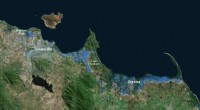
The lithium mine is being proposed by a company called Lithium Americas. The mine would be located in the Thacker Pass area of Nevada, about 100 miles northeast of Reno. The mine is expected to produce 20,000 tons of lithium per year, which would make it the largest lithium mine in the United States.
Lithium is a critical component in batteries for electric vehicles, and demand for the metal is expected to increase significantly in the coming years as the world transitions to a more sustainable transportation system. The United States is currently dependent on other countries for its supply of lithium, and the Thacker Pass mine would help to reduce that dependence.
*The Conflict*
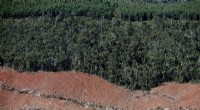
The potential conflict between the Tiehm's buckwheat and the lithium mine arises because the mine would be located in an area that is currently occupied by the plant. If the mine is approved, it would destroy an estimated 1,500 acres of habitat for the plant.
The U.S. Fish and Wildlife Service is currently reviewing the proposed lithium mine to determine whether it is likely to jeopardize the continued existence of the Tiehm's buckwheat. The agency is expected to make a decision by the end of 2022.
The conflict between the Tiehm's buckwheat and the lithium mine is a reminder of the complex challenges involved in developing renewable energy resources. While it is important to reduce our dependence on fossil fuels, it is also important to protect our natural resources and biodiversity. Finding ways to balance these two goals will be essential to achieving a sustainable future.