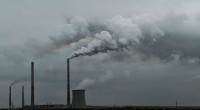
Habitat Loss:
The primary cause of many species being relegated to captivity is habitat loss. As human populations and activities continue to expand, the natural habitats of countless species are encroached upon, destroyed, or fragmented beyond recognition. This relentless loss of habitat leaves many animals and plants with nowhere to thrive, forcing them into the vulnerable position of relying on human intervention for their survival.
Hunting and Poaching:
The illegal wildlife trade, fueled by unscrupulous individuals seeking profit or entertainment, has led to the depletion of wild populations of certain species. Targeted hunting and poaching of animals like rhinos, elephants, tigers, and various exotic birds have brought many species to the brink of extinction. Once common in their natural habitats, these creatures now cling precariously to survival in confined spaces.
Climate Change:
The adverse effects of climate change wreak havoc on ecosystems, causing habitats to transform and disappear at alarming rates. Species unable to adapt sufficiently quickly to these changes suffer significant population declines, and many eventually find themselves confined to captivity as a last resort for their preservation.
Conservation Efforts and Captive Breeding:
Conservation organizations and zoos have stepped forward to play a vital role in preserving species that have become imperiled. Captive breeding programs serve as a safety net, aiming to maintain viable populations of endangered species within controlled environments. These programs provide essential protection, genetic diversity conservation, and the chance for future reintroduction into the wild.
Balancing Act and Challenges:
While captive breeding programs offer a vital lifeline, they also present challenges in preparing species for survival outside the controlled environment of captivity. Adaptation to natural habitats, competition with other species, and even hunting pressures demand careful consideration to ensure a successful reintroduction.
Extinction Risks and Time Sensitivity:
The longer a species remains confined to captivity, the greater the risk of losing its natural instincts, genetic diversity, and vital survival skills. Adapting to the complexities of the wild becomes increasingly difficult, and over reliance on human intervention can compromise the species' resilience.
Time is of the essence in restoring these species to their rightful place in the wild. The preservation and restoration of their natural habitats, coupled with effective regulations against illegal trade, are crucial steps. Captive breeding programs must not become permanent homes but instead act as stepping stones towards the restoration of wild populations.
Urgent Action:
The future of species existing only in captivity hangs in the balance, demanding urgent action from conservationists, policymakers, and society as a whole. By addressing the underlying causes of habitat loss, illegal trade, and climate change, we can create the necessary conditions for their revival. Time is running out for these vulnerable creatures, and every effort must be made to ensure their return to the wild, where they rightfully belong.