Drought conditions can have a devastating impact on trees. When the soil becomes too dry, trees are unable to absorb enough water to meet their needs. This can lead to a number of problems, including:
- Leaf loss: Trees may begin to lose their leaves in an effort to conserve water. This can reduce the tree's ability to photosynthesize, which is essential for producing food.
- Branch dieback: Trees may also experience branch dieback, which occurs when the branches die back from the tips. This can make trees more susceptible to disease and pests.
- Tree death: In severe cases, drought can lead to tree death. This is most likely to occur in young trees, which have not yet developed deep roots.
The effects of drought on forests can be seen across Europe. In Germany, for example, the drought of 2018 caused significant damage to forests, with over 100,000 hectares of forest affected. In France, the drought of 2019 caused similar damage, with over 150,000 hectares of forest affected.
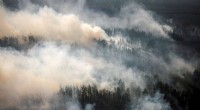
Droughts are also causing forests to become more vulnerable to other threats, such as wildfires. When trees are stressed by drought, they are more likely to catch fire. This is because drought conditions can dry out the forest floor, making it more flammable. Wildfires can cause extensive damage to forests, destroying trees, wildlife habitat, and property.
The increasing frequency and severity of droughts in Europe is a serious threat to forests. It is important to take action to address climate change and mitigate its impacts on forests. This includes reducing greenhouse gas emissions, investing in forest conservation, and developing drought-resistant tree species.