1. Climate change: Baobab trees are adapted to specific climatic conditions, and changes in temperature and precipitation patterns due to climate change can significantly impact their survival. Prolonged droughts, increased temperatures, and altered rainfall patterns can lead to water stress, reduced growth, and increased vulnerability to pests and diseases.
2. Deforestation and habitat loss: Madagascar's forests, including those containing baobab trees, face ongoing deforestation due to various human activities such as agriculture, logging, and charcoal production. The expansion of human settlements and infrastructure can also contribute to habitat loss for baobab trees.
3. Overexploitation: Baobab trees are valued for their fruits, leaves, and other plant parts, which are used for food, medicine, and other purposes. Unsustainable harvesting practices can lead to overexploitation of baobab trees, affecting their populations and ecological roles.
4. Competition and invasive species: Baobab trees may face competition from invasive plant species introduced to Madagascar, which can outcompete them for resources such as water and nutrients. Invasive species can also transmit diseases to baobab trees, further compromising their health.
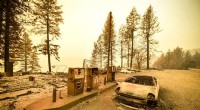
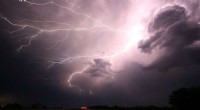
5. Fire: Baobab trees are susceptible to damage by fire, which can be caused by natural factors (e.g., lightning strikes) or human activities (e.g., intentional burning of vegetation for agricultural or other purposes). Fire can kill or damage baobab trees, particularly young and vulnerable individuals.
Conservation efforts are crucial to address these threats and secure the future of baobab trees in Madagascar. These efforts may include:
- Establishing protected areas and conservation corridors to safeguard baobab trees and their habitats.
- Implementing sustainable harvesting practices to ensure the long-term viability of baobab tree populations.
- Promoting community-based conservation initiatives that engage local people in the protection and sustainable management of baobab trees.
- Conducting research on baobab tree ecology and responses to environmental changes to inform conservation strategies.
- Raising awareness about the importance of baobab trees and encouraging responsible stewardship by various stakeholders.
By taking these steps, we can contribute to the conservation of baobab trees and ensure their continued presence and ecological roles in Madagascar's ecosystems.