1. Gear Retrieval Programs:
- Implement targeted retrieval programs specifically designed to collect ALDFG. Collaborate with commercial fishers, conservation organizations, and government agencies to locate and retrieve lost or abandoned fishing gear.
2. Recovery Operations:
- Conduct underwater surveys and mapping to identify the location of ALDFG. Utilize remotely operated vehicles (ROVs), sonar, and other technologies to assist in gear recovery.
3. Engage Fishers:
- Collaborate with fishers to voluntarily report and retrieve lost or abandoned gear. Provide incentives or rewards for reporting and returning ALDFG.
4. Beach Cleanups:
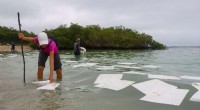
- Organize beach cleanups and shoreline surveys to remove ALDFG washed ashore. Collect data on the type and quantity of gear found to inform further actions.
5. Citizen Science:
- Encourage citizen scientists and volunteers to participate in ALDFG recovery efforts. Train individuals to identify and safely remove ALDFG from coastal environments.
6. Ghost Fishing Gear Collection Devices:
- Deploy specialized collection devices, such as artificial reefs or buoy systems, to attract and capture ALDFG.
7. Gear Marking and Tracking:
- Encourage fishers to mark their gear with unique identifiers or tracking devices. This can aid in identifying and locating lost or abandoned gear.
8. Gear Modification:
- Promote the use of biodegradable fishing gear or gear modifications that reduce the likelihood of entanglement and increase the potential for gear retrieval.
9. Policy and Legislation:
- Implement policies and regulations that hold fishers accountable for lost or abandoned gear and encourage responsible fishing practices.
10. Education and Awareness:
- Raise awareness about the impacts of ALDFG and encourage responsible disposal practices among fishers and the general public.
11. Technological Innovations:
- Explore innovative technologies, such as drone-based gear retrieval systems, to improve the efficiency of ALDFG recovery.
12. Collaboration:
- Foster partnerships between government agencies, conservation organizations, fishing industries, and research institutions to address the issue of ALDFG collectively.
13. Long-term Monitoring:
- Establish long-term monitoring programs to track the effectiveness of ALDFG retrieval efforts and identify areas that require further attention.
14. Data Collection and Analysis:
- Collect and analyze data on the quantity, types, and locations of ALDFG to inform gear recovery strategies and improve understanding of marine pollution.
By combining these approaches and fostering collaborative efforts, we can work towards reducing the impacts of abandoned, lost, and discarded fishing gear on the marine environment.