1. Drought Conditions: California has been experiencing a severe drought for several years, with some areas facing exceptional drought conditions. The recent storms have helped improve the situation, but the state remains in drought.
2. Accumulated Deficit: California has a significant accumulated precipitation deficit due to the prolonged drought. This means that the state needs a substantial amount of rain and snow over a sustained period to replenish its water reservoirs, aquifers, and snowpack.
3. Storm Patterns: The recent storms have been beneficial, but their impact is localized and varies across the state. Some areas received significant rainfall, while others saw less. For meaningful drought relief, consistent and widespread precipitation is needed.
4. Snowpack: The storms helped increase the snowpack in the Sierra Nevada mountains, which is crucial for California's water supply. However, the snowpack is still below average for this time of year, and more snowfall is needed to fully recharge the state's snow-fed reservoirs.
5. Reservoir Levels: While some reservoirs have seen an increase in their water levels, they remain well below their historical averages. Reservoirs take time to fill, especially larger ones, and continued precipitation is necessary to bring them to healthy levels.
6. Groundwater Recharge: The storms can help replenish groundwater aquifers, which are essential for agricultural irrigation and drinking water. However, groundwater recharge occurs slowly and requires consistent precipitation over a long period to have a significant impact.
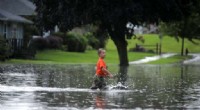
7. Potential Floods: Heavy rains can also pose flood risks in some areas, especially those with poor drainage or a history of flooding. While flooding can help replenish water sources, managing potential flood hazards is crucial for public safety.
8. Long-Term Outlook: The recent storms have provided some relief, but it's too early to say whether they will be enough to end the drought. Climate projections indicate that California may experience more extreme weather events, including droughts and heavy rains, in the future.
In summary, while the recent storms have been beneficial, California still faces a significant drought. Continued precipitation and sustained water management efforts will be necessary to fully alleviate the drought's impacts. The state needs a combination of average or above-average precipitation, snowpack accumulation, reservoir replenishment, and groundwater recharge over several seasons to emerge from the drought.