Introduction:
Informal settlements, characterized by inadequate housing, poor sanitation, and limited access to basic services, are home to a significant proportion of the world's population. These areas are often located in high-risk zones, making their inhabitants particularly susceptible to the impacts of climate change. This article sheds light on the challenges faced by the billion people who reside in informal settlements and are disproportionately affected by climate-related hazards.
1. Increased Exposure to Natural Disasters:
Informal settlements are commonly situated in flood-prone areas, steep slopes, or near waterways, increasing their vulnerability to natural disasters such as floods, landslides, and cyclones. The lack of proper drainage systems, substandard building materials, and overcrowded conditions further exacerbate the risks faced by residents during extreme weather events.
2. Limited Access to Early Warning Systems:
People living in informal settlements often lack access to early warning systems and disaster preparedness information, making it difficult for them to take timely action to protect themselves and their families during impending disasters. This lack of awareness can result in higher rates of casualties, injuries, and displacement.
3. Inadequate Housing and Infrastructure:
The housing structures in informal settlements are often makeshift and poorly constructed, making them highly vulnerable to damage or collapse during natural disasters. Moreover, the lack of basic infrastructure, such as roads, bridges, and sanitation facilities, hampers emergency response and recovery efforts.
4. Health Risks:
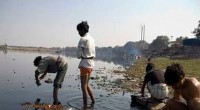
Informal settlements often lack access to clean water, proper waste disposal systems, and adequate healthcare services. These conditions increase the risk of waterborne diseases, respiratory illnesses, and other health problems, which further compound the challenges faced by residents.
5. Social and Economic Marginalization:
People living in informal settlements are frequently excluded from formal economic and social systems. They may have precarious employment, limited access to education and healthcare, and are often discriminated against. These factors make it difficult for them to adapt to climate change impacts and invest in resilience measures.
6. Displacement and Resettlement:
Climate-related disasters can lead to displacement and resettlement, disrupting social networks, livelihoods, and access to essential services for people living in informal settlements. Resettlement processes often lack proper planning, leading to further marginalization and increased vulnerability.
Conclusion:
The billion people living in informal settlements face a myriad of challenges due to their climate vulnerability. They bear the brunt of extreme weather events, lack access to early warning systems, and endure inadequate housing and health risks. Moreover, social and economic marginalization exacerbates their vulnerability and limits their capacity to adapt to climate change impacts. Addressing these challenges requires comprehensive policies and strategies that focus on improving housing conditions, providing access to basic services, strengthening community resilience, and ensuring inclusive and sustainable development. Only through concerted efforts can we mitigate the risks faced by the most vulnerable populations and ensure a just transition to a climate-resilient future for all.