Loss of biodiversity: Ecosystems are home to a wide variety of plant and animal species, many of which are essential for human survival. The collapse of ecosystems would lead to the extinction of many of these species, which could have a ripple effect throughout the food chain and disrupt entire ecosystems.
Climate change: Ecosystems play a vital role in regulating the Earth's climate. They absorb carbon dioxide from the atmosphere, which helps to mitigate the effects of climate change. The collapse of ecosystems would release large amounts of carbon dioxide into the atmosphere, which would further accelerate climate change.
Water shortages: Ecosystems help to regulate the water cycle, ensuring that water is available for both human and environmental needs. The collapse of ecosystems would disrupt the water cycle, leading to water shortages and droughts.
Food shortages: Ecosystems provide a variety of resources that humans rely on for food, such as plants, animals, and fish. The collapse of ecosystems would reduce the availability of these resources, leading to food shortages.
Economic collapse: The collapse of ecosystems would have a devastating impact on the global economy. Ecosystems provide a variety of services that are essential for economic activity, such as water, food, and pollination. The collapse of these services would disrupt businesses and industries, leading to economic collapse.
The collapse of one-fifth of the world's ecosystems would be a global catastrophe. It would have devastating consequences for both human and environmental health, and it would threaten the very future of our planet.
Here are some specific examples of how the collapse of ecosystems might look like in different parts of the world:
* In the Amazon rainforest, the collapse of the ecosystem would lead to the extinction of thousands of plant and animal species. The rainforest would also release large amounts of carbon dioxide into the atmosphere, accelerating climate change. The loss of the rainforest would also have a devastating impact on the livelihoods of millions of people who rely on it for food, shelter, and water.
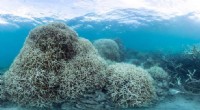
* In the Great Barrier Reef, the collapse of the ecosystem would lead to the death of millions of coral reefs and the fish that rely on them for food. The loss of the Great Barrier Reef would also have a major impact on the tourism industry, which generates billions of dollars in revenue each year.
* In the Arctic tundra, the collapse of the ecosystem would lead to the melting of permafrost, which would release large amounts of methane into the atmosphere. Methane is a potent greenhouse gas, and its release would further accelerate climate change. The melting of permafrost would also displace millions of people who live in the Arctic region.
These are just a few examples of how the collapse of ecosystems could look like in different parts of the world. The impacts of ecosystem collapse would be felt far and wide, and they would threaten the very future of our planet.