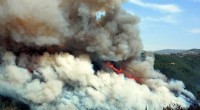
The 2021 wildfire season in Canada was one of the worst on record, with more than 1.3 million hectares burned. The fires caused widespread damage to infrastructure and ecosystems, and displaced thousands of people from their homes. The smoke from the fires also posed a significant health hazard, with air quality alerts issued in several major cities.
The 2021 wildfires are just one of many recent examples of extreme weather events that are becoming more frequent and severe due to climate change. Climate change is causing the Earth's atmosphere to warm, which is leading to longer and hotter summers. This creates ideal conditions for wildfires, as dry vegetation acts as fuel for these fires.
In addition to the direct impacts of wildfires, such as damage to infrastructure and ecosystems, there are also indirect impacts that can have a significant effect on public health. For example, the smoke from wildfires can cause respiratory problems, such as asthma and bronchitis. The smoke can also exacerbate other health conditions, such as heart disease and diabetes.
Public health risks of wildfires
The smoke from wildfires contains a variety of pollutants, including particulate matter, carbon monoxide, and nitrogen oxides. These pollutants can cause a range of health problems, depending on the concentration of the pollutants and the duration of exposure.
* Particulate matter is a mixture of small solid particles and liquid droplets. Inhaled particulate matter can lodge in the lungs and cause respiratory problems, such as asthma, bronchitis, and pneumonia. Particulate matter can also contribute to heart disease and stroke.
* Carbon monoxide is a colorless, odorless gas that can cause headache, dizziness, nausea, and vomiting. In high concentrations, carbon monoxide can cause death.
* Nitrogen oxides are a group of gases that can cause respiratory irritation and inflammation. Nitrogen oxides can also contribute to the formation of smog.
The health effects of wildfire smoke can vary depending on individual factors, such as age, health status, and lifestyle. Children, the elderly, and people with existing health conditions are more likely to experience serious health problems from wildfire smoke.
How to protect yourself from wildfire smoke
If you live in an area affected by wildfire smoke, there are steps you can take to protect yourself and your family:
* Stay indoors as much as possible.
* Keep windows and doors closed.
* Use an air conditioner or air purifier with a HEPA filter.
* Avoid strenuous activity outdoors.
* Wear a mask if you must go outdoors.
* Drink plenty of fluids to stay hydrated.
* See a doctor if you experience any health problems that may be related to wildfire smoke.
Conclusion
The 2021 wildfire season in Canada is a reminder of the increasing risks posed by climate change. Wildfires are just one of many extreme weather events that are becoming more frequent and severe due to climate change. These events can have a significant impact on public health, causing respiratory problems, heart disease, and other health conditions. It is important to take steps to protect yourself from the health effects of wildfire smoke.