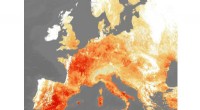
Factors influencing the movement of diseases due to climate change include changes in temperature, precipitation, humidity, and vector behavior. For example, warmer temperatures may expand the range of habitats suitable for disease-carrying mosquitoes or ticks, allowing them to move into new areas. Conversely, changes in precipitation and humidity may reduce the survival or reproduction of these vectors, leading to a decline in disease transmission in certain regions.
Additionally, extreme weather events associated with climate change, such as heat waves, floods, and droughts, can also influence disease transmission patterns. These events can disrupt ecosystems, displace human populations, and compromise public health infrastructure, making communities more vulnerable to disease outbreaks.
Therefore, while it is important to consider the potential for diseases to move southward in response to climate change, it is crucial to recognize that the changes will be intricate and will involve a variety of factors affecting different diseases in different ways. It is essential to conduct thorough scientific research and implement comprehensive public health measures to address these complex challenges and mitigate the health risks associated with climate change.