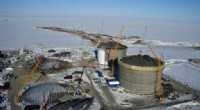
1. Industrial Activities: Industrial activities such as mining, oil and gas extraction, and manufacturing can release pollutants into the air, water, and soil, leading to environmental contamination in the Arctic.
2. Shipping and Transportation: The Arctic has experienced increased shipping activities due to melting ice and the desire for shorter trade routes. These activities emit black carbon, sulfur oxides, and other pollutants that contribute to air pollution and can affect human health and ecosystems.
3. Long-Range Atmospheric Transport: Pollutants emitted from distant sources can be transported thousands of kilometers through atmospheric circulation patterns and deposited in the Arctic. These pollutants can include persistent organic pollutants (POPs), heavy metals, and other toxic substances that can have long-term impacts on Arctic ecosystems and human health.
4. Agricultural Activities: Agricultural practices, particularly in neighboring regions, can contribute to pollution in the Arctic through the use of pesticides, fertilizers, and livestock emissions. These substances can be transported through water systems or atmosphere and impact Arctic ecosystems.
5. Tourism and Recreation: While tourism and recreational activities in the Arctic are generally small-scale, they can still have localized environmental impacts, including littering, disturbance of wildlife habitats, and increased carbon emissions due to transportation.
It's important to note that while these activities contribute to pollution in the Arctic, many efforts are being made by governments, organizations, and communities to reduce and mitigate these impacts. This includes implementing regulations, cleaner technologies, and conservation initiatives to protect the vulnerable Arctic environment.