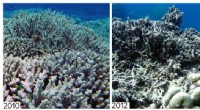
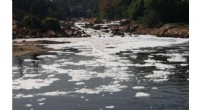
Wetlands, characterized by their waterlogged soils and unique plant life, are havens of biodiversity and ecological significance. However, these ecosystems are not static entities; they undergo constant changes driven by both natural and human-induced stressors. Understanding the impact of these fluctuating stressors is crucial for preserving the delicate balance and functioning of wetlands.
Natural Stressors: A Symphony of Change
Wetlands are subject to various natural stressors that shape their ecological communities. These stressors include:
1. Hydrological Fluctuations: Wetlands experience seasonal variations in water levels. These fluctuations influence the availability of resources, alter habitats, and impact the survival and reproduction of wetland species.
2. Sedimentation: Rivers and streams transport sediments into wetlands, gradually changing their topography and affecting plant growth. Sedimentation can also block waterways and alter drainage patterns.
3. Climate Variability: Changes in temperature, precipitation patterns, and extreme weather events, such as droughts and floods, can have profound effects on wetland ecosystems. These variations can alter water chemistry, plant communities, and the overall structure of the wetland.
4. Vegetation Succession: Wetlands undergo natural vegetation succession, where plant communities change over time due to competition, disturbance, and environmental changes. This succession influences the availability of habitats and resources for wetland-dependent species.
Human-Induced Stressors: A Growing Challenge
Human activities add further layers of complexity to the stressors faced by wetlands. These anthropogenic stressors include:
1. Pollution: Chemicals, fertilizers, and other pollutants from industrial, agricultural, and urban sources can contaminate wetland waters and sediments, harming plant and animal life.
2. Habitat Loss and Fragmentation: Wetlands are often drained or filled for development purposes, leading to habitat loss and fragmentation. This can disrupt ecological processes and reduce the ability of wetlands to provide essential ecosystem services.
3. Invasive Species: Non-native species introduced through human activities can outcompete native species, alter food webs, and disrupt the natural functioning of wetlands.
4. Water Diversion and Alteration: Human-induced changes to water flow patterns, such as dam construction or water withdrawals, can alter wetland hydrology and affect plant and animal communities.
The Ripple Effect: How Stressors Impact Wetland Functions
Fluctuating stressors can affect the structure and function of wetlands in various ways, including:
1. Biodiversity Loss: Stressors can reduce the diversity of plant and animal species in wetlands, leading to a decline in ecosystem health and resilience.
2. Impaired Water Quality: Pollutants and nutrient enrichment from human activities can degrade water quality, affecting aquatic life and the overall health of the wetland ecosystem.
3. Loss of Habitat and Fragmentation: The reduction of wetland area and fragmentation due to development can isolate populations, disrupt migration patterns, and reduce the resilience of wetland species to stressors.
4. Altered Carbon Cycling: Wetlands play a crucial role in carbon sequestration, but stressors like climate change and land use changes can alter carbon cycling processes, impacting global climate regulation.
Adaptive Management: Navigating a Changing Landscape
Given the dynamic nature of wetlands and the challenges they face, adaptive management strategies are essential for their conservation. Adaptive management involves:
1. Monitoring: Regular monitoring of wetlands helps identify changes and potential stressors, enabling timely interventions and adjustments to management strategies.
2. Research and Knowledge Building: Ongoing research is crucial for understanding the complexities of wetland ecosystems and the effects of fluctuating stressors. This knowledge informs management decisions and helps refine conservation strategies.
3. Collaborative Partnerships: Effective wetland management requires collaboration among various stakeholders, including government agencies, conservation organizations, private landowners, and local communities.
4. Flexibility and Adaptation: Management strategies should be flexible and adaptable to changing conditions and new scientific Erkenntnisse. This ensures that wetlands remain resilient and capable of withstanding fluctuating stressors.
By embracing adaptive management and addressing the challenges posed by fluctuating stressors, we can ensure the long-term preservation and sustainable use of these vital ecosystems, safeguarding their ecological functions and the benefits they provide to society and the environment.