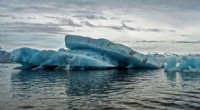
Climate change is causing sea levels to rise, which can increase the height and power of extreme waves. In addition, climate change is also leading to more frequent and intense storms, which can also generate extreme waves.
The impacts of climate change on extreme waves are expected to be particularly severe in developing countries, which are often located in low-lying coastal areas. These countries are already vulnerable to flooding and other coastal hazards, and climate change is likely to make these hazards even worse.
In order to mitigate the impacts of climate change on extreme waves, it is important to take steps to reduce greenhouse gas emissions and to adapt to the impacts that are already occurring. Adaptation measures can include building sea walls, levees, and other coastal defenses; restoring coastal habitats; and relocating people and infrastructure away from vulnerable areas.
It is also important to note that there are still some areas of uncertainty when it comes to climate change and extreme waves. For example, it is not always clear how climate change will affect the frequency and intensity of extreme waves in a particular region. This is because extreme waves are influenced by a variety of factors, including the local climate, geography, and ocean currents.
In order to better understand the impacts of climate change on extreme waves, it is important to continue to conduct research and monitoring. This research will help us to develop more effective adaptation measures and to protect coastal communities from the impacts of climate change.