Introduction:
Weather patterns, influenced by various atmospheric factors, have a profound impact on our daily lives and the environment. With the ongoing effects of climate change, examining how weather patterns will change in the future is of utmost importance. In this exploration, we will delve into the anticipated alterations, potential consequences, and the need for adaptation and mitigation strategies.
Changing Patterns of Precipitation:
Extreme Events and Precipitation:
Climate change is projected to intensify the occurrence of extreme precipitation events, such as torrential rainfall and snowfall. These events can lead to flooding, landslides, and damage to infrastructure.
Altered Distribution of Rainfall:
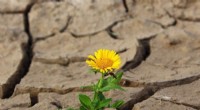
The distribution of rainfall is expected to change, with some regions receiving more rainfall and others experiencing prolonged droughts. This can affect water availability, agriculture, and ecosystems.
Temperature Variations:
Rising Temperatures:
A steady rise in global temperatures is anticipated, leading to warmer seasons and increased heatwaves. This can impact public health, agriculture, and ecosystems that are sensitive to temperature changes.
Reduced Snowfall:
With higher temperatures, snowfall is projected to decrease, particularly in lower altitudes. This could affect winter tourism, water resources dependent on snowmelt, and ecosystems that rely on snow cover.
Changing Wind Patterns:
Shifting Winds:
Changes in wind patterns, including shifts in prevailing winds and increased wind speeds, are expected in certain regions. These changes can affect weather patterns, flight paths, and the transmission of airborne particles.
Tropical Cyclones:
Climate change could influence the intensity, frequency, and distribution of tropical cyclones, potentially resulting in more powerful storms and increased damage to coastal areas.
Sea Level Rise:
Sea Level Rise and Storm Surges:
As the oceans expand due to higher temperatures, sea levels are rising, leading to coastal erosion and increased vulnerability to storm surges during extreme weather events.
Inundated Ecosystems:
Rising sea levels threaten coastal ecosystems, including wetlands and coral reefs, disrupting their delicate balance and affecting marine life and biodiversity.
Ecosystem Impacts and Adaptation:
Ecological Shifts:
Changing weather patterns can lead to ecological shifts, such as changes in species distribution, plant growth cycles, and phenology (timing of life-cycle events). This could disrupt ecosystems and affect biodiversity.
Agriculture and Food Security:
Altered weather patterns can impact agriculture, affecting crop yields, growing seasons, and irrigation needs. This could have implications for food production and global food security.
Urban Environments and Health:
Urban areas are particularly vulnerable to the impacts of extreme weather events, such as heatwaves and flooding. Addressing these challenges requires adaptation measures to ensure public health and safety.
Conclusion:
The examination of future weather patterns reveals significant changes that will have far-reaching consequences for the environment and human societies. Preparing for these changes involves implementing proactive adaptation and mitigation strategies, such as improving disaster preparedness, investing in sustainable agriculture practices, and reducing greenhouse gas emissions to limit further climate change impacts. Collaborative efforts among scientists, policymakers, and individuals are crucial to navigate the complexities of our changing climate and ensure a more resilient and sustainable future.