The index found that the most vulnerable counties are located in the Southeast and Gulf Coast regions, as well as parts of the Midwest and Northeast. These areas are expected to experience more extreme weather events and higher sea levels in the future.
The map also shows how different communities within the same county can have different levels of vulnerability. For example, in Miami-Dade County, Florida, the coastal areas are more vulnerable to sea level rise and flooding, while the inland areas are more vulnerable to heat waves and droughts.
The Climate Change Vulnerability Index is a valuable tool for communities that are planning for the impacts of climate change. It can help them identify the areas that are most at risk and develop strategies to reduce their vulnerability.
Here are some of the key findings from the Climate Change Vulnerability Index:
* The Southeast and Gulf Coast regions are the most vulnerable to climate change, followed by parts of the Midwest and Northeast.
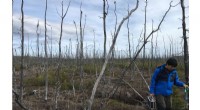
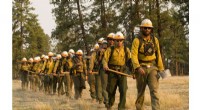
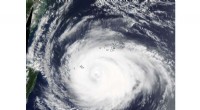
* The most common hazards that communities face are flooding, heat waves, droughts, and wildfires.
* The index can help communities identify the areas that are most at risk and develop strategies to reduce their vulnerability.
* The map is available online and can be used by anyone.
To learn more about the Climate Change Vulnerability Index, visit the NOAA website.