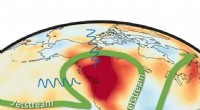
The Northern Hemisphere has experienced a summer of extremes, with record-breaking heat waves, droughts, wildfires, and floods. In Europe, the United Kingdom saw its hottest day on record, with temperatures reaching 40.3 degrees Celsius (104.5 degrees Fahrenheit). Parts of France, Germany, and Spain also experienced extreme heat, with temperatures exceeding 40 degrees Celsius (104 degrees Fahrenheit).
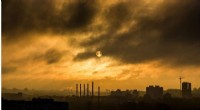
In the United States, the summer has been marked by a series of heat waves, droughts, and wildfires. The western United States has been particularly hard-hit, with wildfires burning millions of acres of land and destroying homes and businesses. In California, the Dixie Fire became the largest wildfire in the state's history, burning over 963,000 acres.
The heat and dry conditions have also contributed to droughts in many parts of the United States, with some areas experiencing their worst droughts in decades. The Colorado River Basin, which supplies water to millions of people in the southwestern United States, is facing a severe water shortage, with water levels in Lake Mead and Lake Powell dropping to record lows.
In addition to the heat and drought, the Northern Hemisphere has also experienced a number of severe floods. In China, flooding caused by heavy rains has killed hundreds of people and displaced millions more. In Europe, Germany and Belgium were hit by devastating floods in July, which killed over 200 people and caused billions of dollars in damage.
What Does This Mean for Australia?
The extreme weather events in the Northern Hemisphere are a sign of the changing climate, and they have implications for Australia as well.
Australia is already experiencing the effects of climate change, with increased frequency and intensity of heat waves, droughts, bushfires, and floods. These events are becoming more common and more severe, and they are causing significant damage to the environment, the economy, and human health.
The extreme weather events in the Northern Hemisphere are a warning that Australia needs to take action to address climate change. We need to reduce our greenhouse gas emissions and transition to a clean energy economy. We also need to adapt to the changes that are already happening, such as by building more resilient infrastructure and developing early warning systems for extreme weather events.
Conclusion
The Northern Hemisphere's weird, wild summer is a sign of the changing climate, and it has implications for Australia as well. We need to take action to address climate change and adapt to the changes that are already happening.