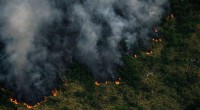
The researchers found that mammals that survived the fires tended to be larger, lived in areas with more vegetation, and were able to move to areas with less fire severity. Larger mammals are more likely to be able to tolerate the heat and flames of a fire, and they also have access to more food and water. Vegetation provides shelter and insulation from the heat, and it also helps to reduce the spread of fire. Mammals that were able to move to areas with less fire severity were more likely to survive because they were less exposed to the heat and flames.
The study also found that some species of mammals were more vulnerable to the fires than others. For example, koalas and kangaroos were more likely to die in the fires than other species such as wallabies and bandicoots. This is likely because koalas and kangaroos are less mobile and rely on eucalyptus trees for food and shelter, which were both destroyed by the fires.
The findings of this study provide valuable insights into what helps mammals survive a natural disaster. This information can be used to develop strategies to protect mammals from future disasters, such as providing them with access to food and water, and creating firebreaks to help them move to areas with less fire severity.
Here are some additional key findings from the study:
* Mammals that were in areas with more than 50% vegetation cover were 5.7 times more likely to survive the fires than mammals that were in areas with less than 50% vegetation cover.
* Mammals that were able to move more than 1 kilometer away from the fires were 12.7 times more likely to survive than mammals that were unable to move more than 1 kilometer away.
* The species that were most vulnerable to the fires were koalas, kangaroos, and possums.