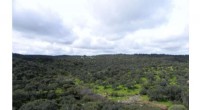
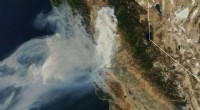
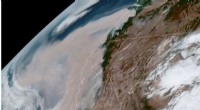
The giant sequoia (Sequoiadendron giganteum) stands as the world’s largest tree species by volume. It is found only on the western slope of California’s Sierra Nevada mountain range. While sequoias are adapted to fire and even need it to reproduce, scientists warn that the current pace and intensity of wildfires are unprecedented and could spell the end of these iconic trees.
In recent years, the debate among US scientists and conservationists over how to save the giant sequoias has intensified. Some argue for active intervention, such as thinning forests and controlled burns, while others advocate for a more hands-off approach, focusing on preserving biodiversity and natural ecosystem processes.
Those in favor of active intervention point to the severity of the situation and the need for immediate action. They argue that the unprecedented nature of the current crisis demands a more aggressive approach to protect these iconic trees. Proponents of thinning argue that reducing tree density can limit the spread of wildfires and make them more manageable. Controlled burns, when conducted carefully, can help clear forest debris and lessen the severity of wildfires.
The US National Park Service (NPS), which oversees Sequoia and Kings Canyon National Parks where several giant sequoia groves are located, has implemented thinning and prescribed fire programs. Between 2012 and 2020, the NPS treated over 17,000 acres (6,900 hectares) within giant sequoia groves and managed 14 prescribed fires.
However, critics argue that such interventions are too manipulative and can have unintended consequences. They contend that thinning and controlled burns can harm other plant and animal species, alter natural forest dynamics, and even exacerbate wildfire behavior. They argue for a more nuanced and adaptive approach that allows natural processes to play their course, while also recognizing the need for some human intervention to address specific threats.
Additionally, some conservationists raise concerns about the allocation of resources for managing giant sequoias. They argue that while these trees are iconic and attract a lot of attention, other species and ecosystems may be equally threatened or more vulnerable, yet receive less funding and support.
Another point of contention is the role of climate change in the crisis facing giant sequoias. While all sides acknowledge that climate change is a significant factor, there are differences in opinion on the extent to which it should influence management decisions. Some argue that climate change mitigation should be the primary focus, while others believe that direct intervention is still necessary even as we address the underlying causes.
In conclusion, the debate over how to save the giant sequoias highlights the complexity of ecosystem conservation and management. While all parties involved share the goal of preserving these iconic trees, there are differing views on the best approaches and the balance between active intervention and natural processes. As climate change continues to alter ecosystems and increase the frequency and severity of disturbances like wildfires, finding common ground and adapting strategies will be crucial for the long-term survival of these magnificent trees.