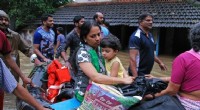
Water scarcity is a pressing global issue that affects millions of households, particularly in developing countries. Understanding how households adapt to water scarcity is crucial for developing effective water management strategies and policies. This study aims to explore the specific adaptation strategies employed by households in a developing country context, specifically focusing on a case study in a water-scarce region.
Introduction:
Water scarcity has become a prevalent challenge in many regions worldwide, posing significant threats to households' access to a vital resource. Developing countries, often characterized by limited infrastructure and financial resources, face particularly dire consequences of water scarcity. Examining how households adapt to water scarcity in these contexts is essential for mitigating the adverse impacts on their livelihoods and well-being.
Research Objectives:
1. Identify the various strategies employed by households to cope with water scarcity.
2. Analyze the effectiveness of these strategies in meeting households' water needs and improving their living conditions.
3. Explore the challenges and constraints faced by households in implementing these adaptation strategies.
4. Draw policy recommendations based on the findings to support households' efforts in adapting to water scarcity.
Methodology:
1. Case Study Selection: The study will focus on a specific water-scarce region within a developing country, ensuring a contextually relevant analysis.
2. Data Collection: Qualitative and quantitative methods will be employed, including household surveys, interviews, and observations, to gather comprehensive data on households' adaptation strategies.
3. Data Analysis: Statistical techniques and thematic analysis will be used to analyze the data, identifying patterns, trends, and key themes related to household adaptations.
4. Findings Dissemination: The research findings will be disseminated through academic publications, policy briefs, and community workshops to inform policymakers, practitioners, and the general public.
Expected Outcomes:
1. In-depth understanding of the specific strategies employed by households to adapt to water scarcity in a developing country context.
2. Evaluation of the effectiveness of these strategies in addressing households' water needs and improving their living conditions.
3. Identification of the challenges and barriers faced by households in implementing adaptation strategies, providing valuable insights for policy development.
4. Policy recommendations for governments, water management agencies, and development organizations to support households' adaptation efforts, contributing to water security and sustainable development.
By exploring the diverse adaptation strategies adopted by households in a water-scarce developing country region, this study aims to contribute to the broader body of knowledge on water scarcity and provide practical recommendations for supporting vulnerable communities in coping with this critical challenge.